















5 Signs Your Senior Cat Needs Extra Support at Home


While ageing is a natural part of life, it also brings a wonderful opportunity to support our cats in new ways as they grow older. And thanks to advances in veterinary care and our growing knowledge of feline nutrition, many cats are now living well into their late teens and even beyond!
A big part of elderly cat care is simply learning to spot the small changes that tell us our cats might appreciate a little extra support around the home. Some of these shifts are perfectly normal with age, like enjoying longer naps or moving a little more carefully. Others can be gentle signals that your cat could benefit from a few thoughtful adjustments to their environment.
Either way, understanding behavior changes in senior cats can help us respond early and keep our kitties happy in their golden years. Let’s take a look at five common signs to look out for, and how we can help.
How Ageing Can Affect Cats at Home
As our cats grow older, gradual physical and behavioral changes can largely be expected. For instance, an older cat may experience reduced hearing, vision, and sense of smell, as well as lower activity levels or decreased muscle tone.
However, with age, noticeable behavior changes in cats can also be a sign that they need adjustments to their environment, routine, or veterinary support. It’s important not to dismiss these changes as “just old age”. Many age-related challenges can be managed or improved with the right care, so understanding how to help your cat as they age is key to keeping them comfortable and happy.
Changes in Elderly Cat Behavior to Look Out For
So, what are the signs that suggest an elderly cat needs more care? Let’s dive straight in.
1. Sleeping More Than Usual or Low Energy Levels
One of the more common questions cat parents ask as their felines grow older is whether cats sleep more as they age. Generally, the answer is yes – senior cats often rest more than healthy adult cats (though it’s worth noting that kittens sleep a lot too!). However, this sleep can potentially be less deep or of poorer quality. They may also have shorter bursts of activity during the day.
If your cat appears withdrawn, lethargic, or less interested in play, it may indicate discomfort or difficulty coping with their environment. Aim to:
-
Provide warm, well-padded bedding in several quiet locations around the home
-
Consider covered or igloo-style beds for an added sense of security and warmth
-
Keep favorite resting spots easily accessible

2. Changes in Appetite or Drinking Habits
Any changes in eating or drinking are an important part of elderly cat behavior to monitor. Some older cats eat less due to reduced smell, dental discomfort, or digestive changes. Others may drink more, which can sometimes indicate underlying health issues.
You may also notice your cat becoming fussier about bowl placement or food texture.
The first point of call if you notice any shifts in eating or drinking behavior is to speak to your vet. Beyond this, you can also:
-
Offer less food but more often
-
Gently warm food to enhance aroma
-
Experiment with softer textures or adding water to meals
-
Ensure bowls are easy to access without physical exertion
3. Litter Box Changes or Accidents
Litter tray issues can be another common behavior change in elderly cats. As cats grow older, they may need to use the litter tray more frequently or struggle with trays that have high sides. Occasionally, they can even develop an intolerance to the feeling of standing on certain litter types.
To help your cat be more comfortable when using their litter tray, you can:
-
Choose trays with low sides and plenty of space
-
Keep trays extra clean, especially if usage increases
-
Try softer litter substrates that are gentle on ageing paws
4. Difficulty Jumping or Moving Around
Joint stiffness and reduced mobility are common as cats age. You might notice hesitation before jumping, reluctance to climb, or stiffness after resting. Some cats also groom less effectively because stretching has become uncomfortable.
These physical behavior changes in senior cats are sometimes mislabeled as laziness but are actually signs of discomfort. There are a few things you can do to help:
-
Add steps or ramps to favorite high places
-
Provide soft landing areas below climbing spots
-
Offer horizontal scratching options which may feel more comfortable to use

5. Shifts in Social Behaviour
Recognising changes in social interaction is a key part of senior cat care. Some older cats become more ‘clingy’ with their humans as they seek extra reassurance, while others withdraw or become more irritable. Increased vocalisation can also occur, especially if your cat feels uncomfortable or disoriented.
These shifts often reflect a need for emotional security as much as physical comfort. Here’s how to help:
-
Maintain a predictable daily routine
-
Offer gentle interaction, making sure to keep it on your cat’s terms
-
Avoid sudden changes in the home where possible
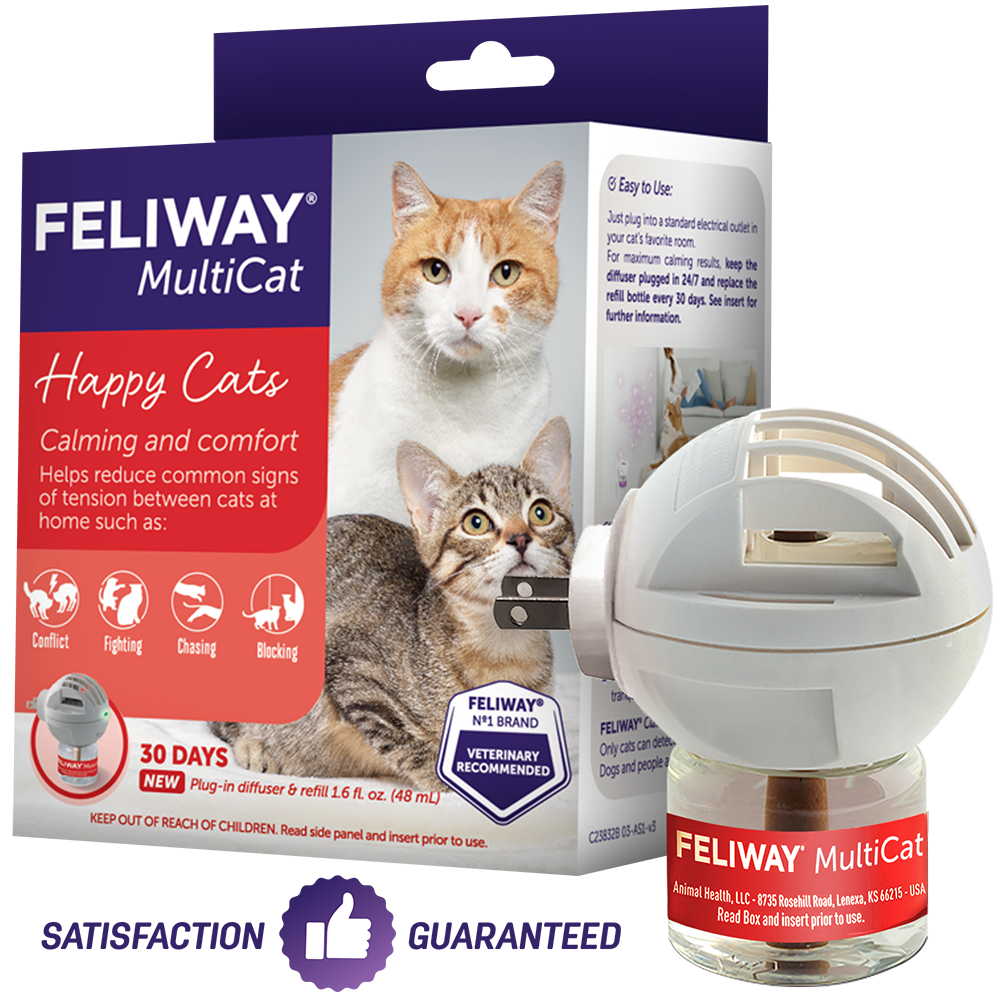
Another handy tip is to use FELIWAY® Optimum to help send messages of enhanced serenity throughout the home. Plug the pheromone diffuser into an electrical socket in the room in which your elderly cat spends the most time to provide added support for their emotional balance and reassurance.
Supporting Your Ageing Cat at Home
Thoughtful care for older cats is all about small, meaningful adjustments that protect their physical comfort and emotional well-being. As well as the support we’ve touched on above, extra ways you can help senior cats experiencing behavior changes include:
-
Regular veterinary check-ups (twice yearly is recommended for older cats)
-
Age-appropriate diets and feeding routines
-
Gentle play or encouraging their curiosity for mental stimulation
-
Extra grooming support for hard-to-reach areas
-
A stable, predictable routine to reduce stress
Helping Your Senior Cat Feel Comfortable & Understood
Recognizing behavior changes in senior cats early allows you to respond with compassion and confidence. With the right environment and emotional support, there’s no reason older cats can’t continue to enjoy the same high quality of life at home!
For more guidance on understanding your cat’s behavior and supporting them through every life stage, explore the rest of our articles in the FELIWAY® blog. And even better, sign up to our newsletter for ongoing tips, advice, and insights straight to your inbox!