


















How to Tell If You Have a Sociable Cat: Key Behaviors Explained


Is your four-legged friend a sociable cat who loves your company, or more of an independent feline who simply drops by when it suits them?
Just like humans, every cat has their own personality. Some are boldly confident, some are sweetly shy, and many sit somewhere in the middle. So, where does your own cat sit on the sociability scale? It’s worth thinking about as understanding your cat’s individual style is key to helping them feel secure and at ease!
There are a whole range of charming signs that might reveal you have an especially friendly cat at home, or perhaps an elusive introvert who prefers life on their own terms. Let’s explore the key behaviors that can help you tell how outgoing your kitty really is.
What Makes a Cat Sociable?
Cats are often seen as independent animals, but they’re actually far more socially flexible than many people realize. They can form strong relationships with humans and other cats, particularly if they’ve experienced positive socialization early in life. Likewise, genetics will play a huge role in determining how sociable a cat grows up to be.
It helps to think of sociability as a spectrum, with every cat sitting somewhere on the scale. Some particularly friendly cats love greeting every visitor; others prefer calm, predictable interactions with the people they trust the most. But with a little patience, gentle encouragement, and positive associations, even adult cats can learn to enjoy social interactions.

Friendly Cat Behavior: Signs to Look For
Here are some of the most common indicators that you share your home with a naturally friendly cat.
They Actively Seek Out Company
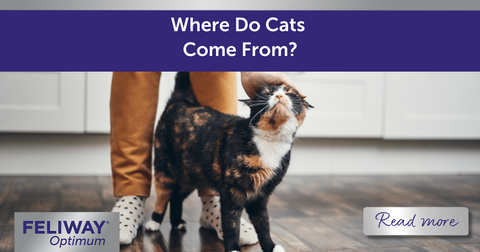
A sociable cat will often choose to be near you. They may rub against you, sit nearby, or follow you from room to room – not because they need something, but simply because they enjoy your presence!
They Greet You at the Door
Does your cat meet you when you arrive home? This is another classic friendly cat behavior. It shows they’ve missed you and feel secure approaching you. Their tail may be raised – sometimes with a slight curved tip – which is a well-known feline “hello”, and you may hear some friendly sounds such as purrs or chirps.
They Follow You Around the House
Similarly, if you can’t make a cup of tea without a furry shadow, you may be living with a friendly cat who just likes to be part of your day. Following behavior can indicate affection and curiosity, or even a desire to be involved in whatever you’re doing.
They Enjoy Being Handled or Picked Up
Not all cats like being lifted, but sociable cats are more likely to enjoy gentle handling. Just keep an eye on body language to ensure they’re truly comfortable. The important thing is that your cat chooses the interaction, rather than simply tolerating it.
They Initiate Play
Sociable cats will often encourage you to interact by nudging toys toward you or engaging in playful behavior. Play is a brilliant way to strengthen your bond together – wand toys are especially great, as they let your cat have fun at a comfortable distance if they’re a little shy at first.
They Show Curiosity Toward Visitors
Some cats prefer avoiding new people, but a more confident feline may sniff, observe calmly, or even approach guests. This curiosity shows they feel secure in their environment. If your cat isn’t quite there yet, gentle introductions and predictable routines can help them build confidence over time.
They Settle Near You (Or on You!)
Some especially sociable cats love to cuddle into laps, while others prefer to snooze a few feet away. Both show trust and comfort – in the feline world, relaxing near someone is a sign of deep security.
They Get Along with Other Pets
Friendly cats often have positive relationships with other animals in the home. Grooming, gentle play, or even sleeping so their bodies touch are all excellent signs of feline friendship.
They Groom You
A gentle lick may not be your favorite sensation – but it’s often your cat’s way of treating you like family!
Understanding Friendly Cat Body Language
On top of the behaviors above, a cat’s body language provides some of the clearest clues into their sociability. A friendly cat may show:
-
Slow blinks – the feline equivalent of a warm smile (or perhaps even an air kiss?)
-
Raised tail – a greeting reserved for those they trust (sometimes with a curved or “question mark” tip)
-
Headbutting (bunting) or cheek rubs – this scent-sharing behavior marks you as part of your cat’s social group
-
Showing their belly – a sign of trust (but not an invitation for belly rubs!)
-
Purring – contented purring near you is a strong sign of comfort, and some cats even use a special solicitation purr to ask for attention (a higher-pitched sound woven into a normal purr)
-
Other friendly cat sounds – Beyond purring, sociable cats often use soft chirps, meows, and chatters to communicate with you
Supporting Your Cat’s Sociability at Their Pace
Even if your cat isn’t naturally outgoing, you can still gently nurture their confidence with positive experiences.
Let Your Cat Take the Lead
Never force interaction. Allow your cat to initiate contact, and reward those small steps with affection, treats, or gentle praise.
Create a Reassuring Environment
Introducing FELIWAY® Optimum can help cats feel reassured, promoting enhanced serenity and a comforting atmosphere around the home. This clever diffuser releases calming messages that are great for helping cats feel more settled, ensuring they’re ready for any social occasions that come their way.
Simply plug your FELIWAY® Optimum diffuser into an electrical socket in the room in which your cat spends the most time to see the best results.
Create Positive Associations
Treats and other positive associations are a great way to reinforce good experiences. Wand toys, a calm voice, or our personal favorite – Happy Snack by FELIWAY® – are all effective options. If your cat is shy, offering treats from a small distance or placing a lick mat nearby can also help.
Keep a Predictable Routine
Cats thrive on consistency, and it’s hugely important for building trust. Try to maintain similar times for meals, play, and interactions.
Introduce New People Slowly
Short, calm visits with no pressure are best. Encourage new visitors to sit quietly, let your cat observe, and offer treats if your kitty chooses to approach.
Celebrate Your Cat’s Unique Personality
Whether your cat is the life of the household or prefers their peace and quiet, their personality is worth celebrating! A sociable cat may show many of the behaviors we’ve been through above, while others can choose to show their affection in quieter ways.
The main thing is that each cat is wonderfully individual – and understanding their social style is one of the best ways to strengthen your bond together.
For more tips on cat behavior, well-being, and building a happy home together, explore the rest of the FELIWAY® blog online! And while you’re here, don’t forget you can sign up to our newsletter to stay up to date with all the latest advice and insights from our experts.