











Is My Cat Feeling Overwhelmed? Early Signs of Cat Stress


Our feline friends can start to feel stressed or overwhelmed more easily than we realize. They are often very sensitive to their environment and even small disruptions can lead to your cat showing stressed behaviors. The early signs can be subtle, as cats are quite good at hiding when they are feeling overwhelmed. This makes it all the more important to know how to spot them.
Too much stress for cats can affect both your cat’s mental and physical health. That’s why learning how to tell if your cat is overwhelmed or showing signs of stress is important for maintaining their well-being. In this blog, we’ll share our tips on reading your furry friend’s signals, so you can help keep them happy, healthy, and content!
What Are Some Signs of an Anxious Cat?
Some of the signs of cat stress take a keen eye to spot, but once you know what to look for, you’ll be able to tell when your cat is feeling uncomfortable. These signs can include:
-
Wide, open eyes with dilated pupils
-
Trembling or shaking
-
Whiskers pointed forward or curving down
-
Tense body language
-
Flat ears or ears pricked with one to the side
-
Panting when not hot or exercising

Why Do Cats Get Overwhelmed?
When a cat gets overwhelmed, it’s mostly because they feel like their safety or territory is at risk. Our feline friends are creatures of habit and naturally territorial. They thrive on having a routine and can become uncomfortable when it’s disrupted.
If you notice your cat behaving differently, it could be a sign that they’re feeling overwhelmed. Some reasons for this can include:
-
Sensory issues – loud noises like fireworks, being handled in a way they don’t like, or not having a quiet place to relax are situations that can trigger signs of stress in cats as they disrupt their sense of safety.
-
Changes at home (their territory!) – changes in the home can cause stressed behavior. Cats rely on a predictable and safe environment, so visitors, redecoration, a new baby or moving house can all make them feel overwhelmed.
-
Resource-related issues – competition for resources in multi-cat homes, or restricted access to things like litter trays or food, can lead to tension and conflict. Cats may see inaccessible or unclean resources as a threat to their survival, which can increase their feeling of being overwhelmed.
Common Stressed Cat Behaviors
As well as your cat showing signs of stress, your cat may also display specific behaviors. If you notice that your cat is behaving differently, this could very well be why. Understanding the behaviors of stressed cats can help us humans address the problems our kitties might be facing.
Behavioral signs of stress to look out for include:
-
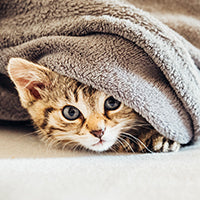
Avoidance – they may be hiding more than usual, retreating to high places or avoiding interactions.
-
Body language cues – having their tail tucked or swishing, a tense posture, quickly licking their nose or exaggerated swallowing.
-
Destructive behavior – scratching household objects.
-
Toileting issues – going outside the litter tray or urine spraying on vertical surfaces.
-
Grooming – changes in their grooming, such as over-grooming in one area.
- Irritability – being easily annoyed, vocalizing more or creating conflict

How to Support a Cat Showing Signs of Stress
Create a Safe Retreat
Give your cat cozy spots to rest and elevated areas where they can observe their surroundings. When your cat is showing signs of stress, it’s important to create a safe space where they can be undisturbed to provide comfort.
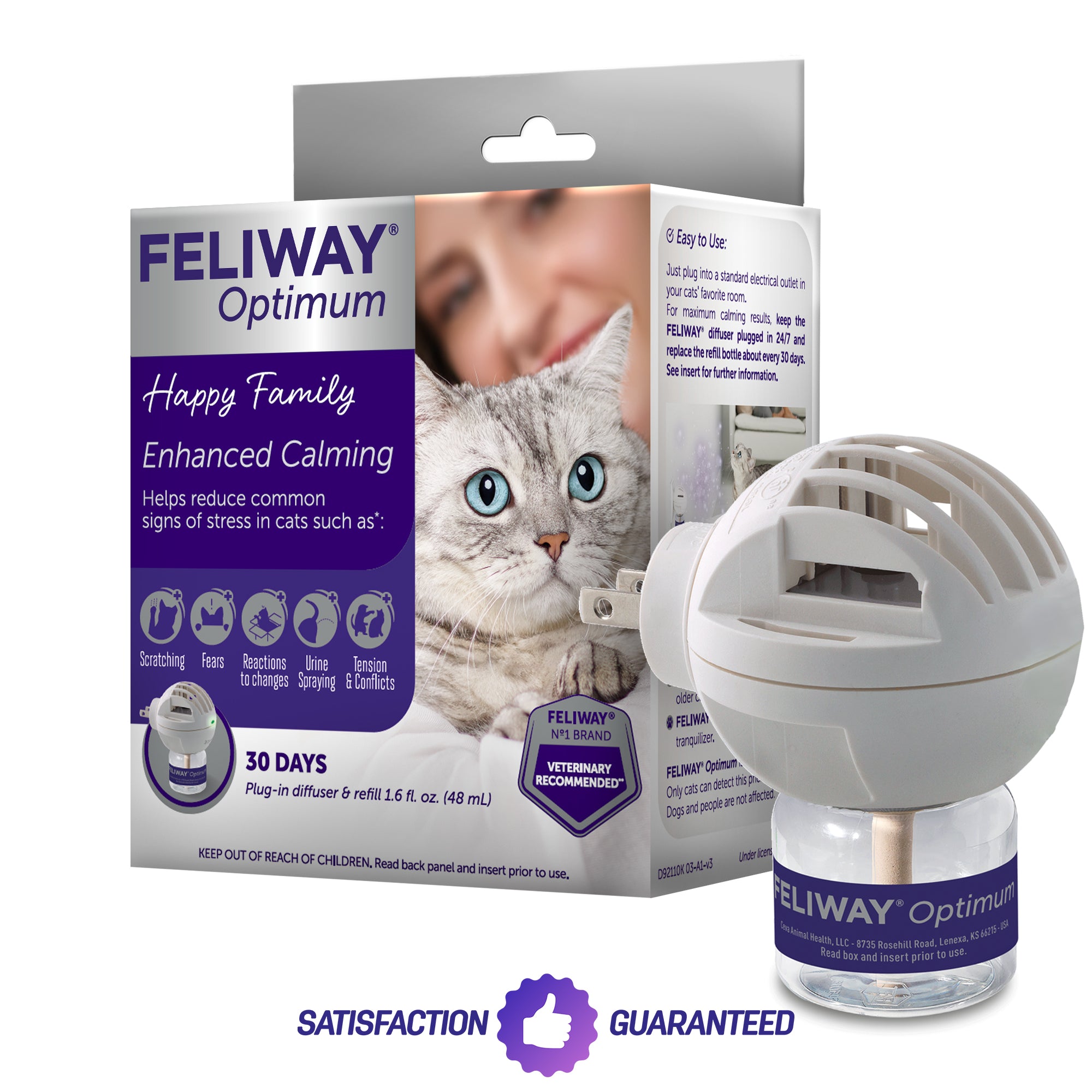
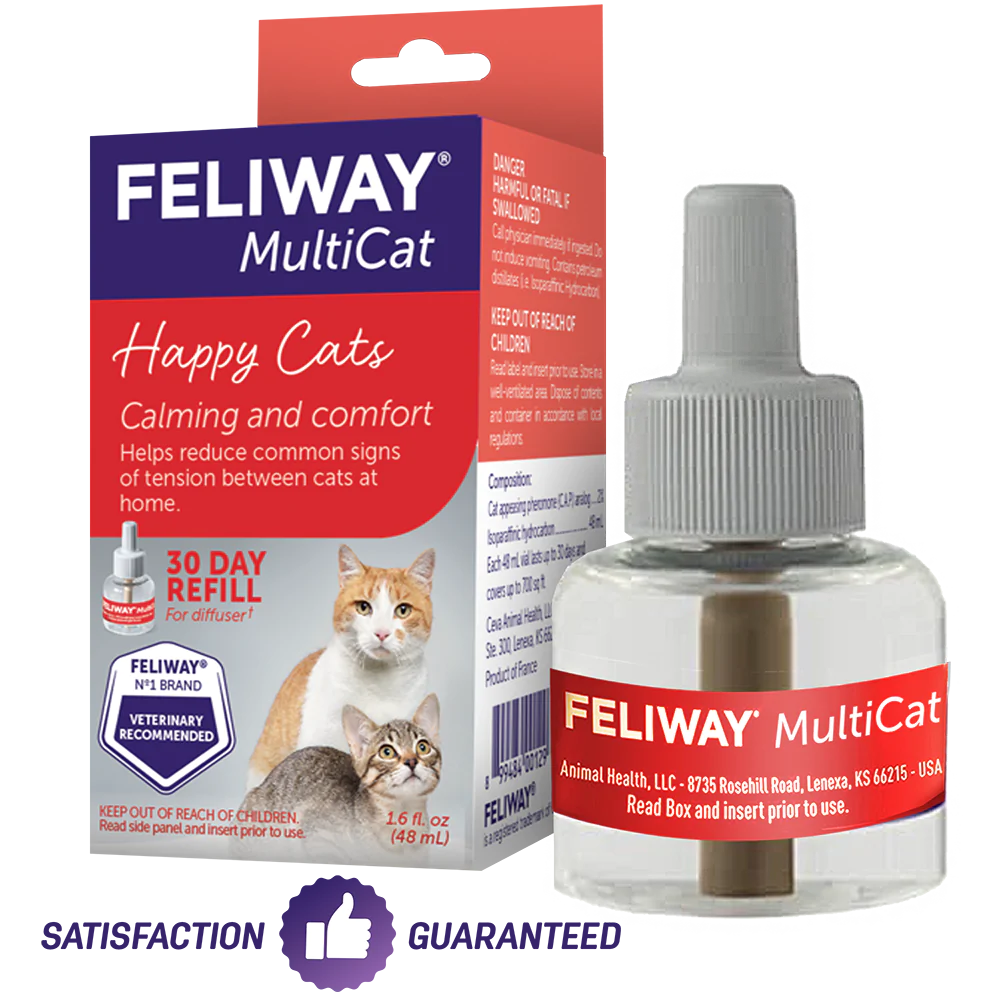
The FELIWAY® Optimum diffuser can help your cat feel more secure in their home environment. Cats naturally use pheromones for communication, and the message of enhanced serenity released by FELIWAY® Optimum helps restore their emotional balance.
Simply plug the diffuser into the area where your cat spends most of their time, like their sleeping spot, and leave it plugged in 24/7 for constant reassurance.
Provide a Predictable Routine
If your cat seems overwhelmed, consistency in their daily routine can help them feel more secure. Provide regular feeding times, play sessions and try to keep a familiar layout at home.
Predictable human interactions are important too. Understand how your cat likes to be petted, when they enjoy being stroked and when a quick chirrup is enough. Creating a calm routine when you leave or return home can provide additional comfort and reassurance.
Manage Your Home Environment
Control noise when possible, or make sure your cat has a quieter space to retreat to when things get noisy. If changes need to happen, introduce them slowly to prevent overwhelming your cat. In their safe space, make sure your cat has easy access to appropriate resources, like litter trays and scratching objects.
Cats like having control, so give them some choices! When you’re stroking them, pause after a few seconds and see if their body language shows they want you to continue or stop. This helps them feel more in control and at ease.
If you live in a multi-cat household, make sure they have enough separate resources, such as food bowls, litter trays and resting spots, so each cat can make their own choices and feel secure. We recommend one of each resource for each cat, plus one more.
Increase Play Time
Play is a really important part of a cat’s daily routine, as it provides an opportunity for physical exercise and mental stimulation while helping to build your bond with them.
Playing satisfies their natural urge to practice their hunting skills. It also helps build your cat’s self-confidence and keeps them in a positive emotional state.
Instead of one long play session, try incorporating shorter interactive play sessions throughout the day. You can also make mealtimes more engaging by adding puzzle feeders or scatter feeding to keep your cat entertained and mentally active.
When to Seek Veterinary Help
If your cat’s signs of anxiety continue despite trying the suggestions above, there could be an underlying medical issue, or your cat may need more tailored support from your vet or a certified animal behaviorist.
You should also seek veterinary help if you notice significant changes in your cat’s appetite, toileting habits, or any signs that suggest they’re in pain or unwell.
If you’d like to learn more about feline well-being, explore more of the FELIWAY® blog online for expert-backed advice and insights. And don’t forget to sign up to our newsletter to stay up to date with the latest tips and product support for a happier, calmer cat!